The session model determines how websites perceive your traffic
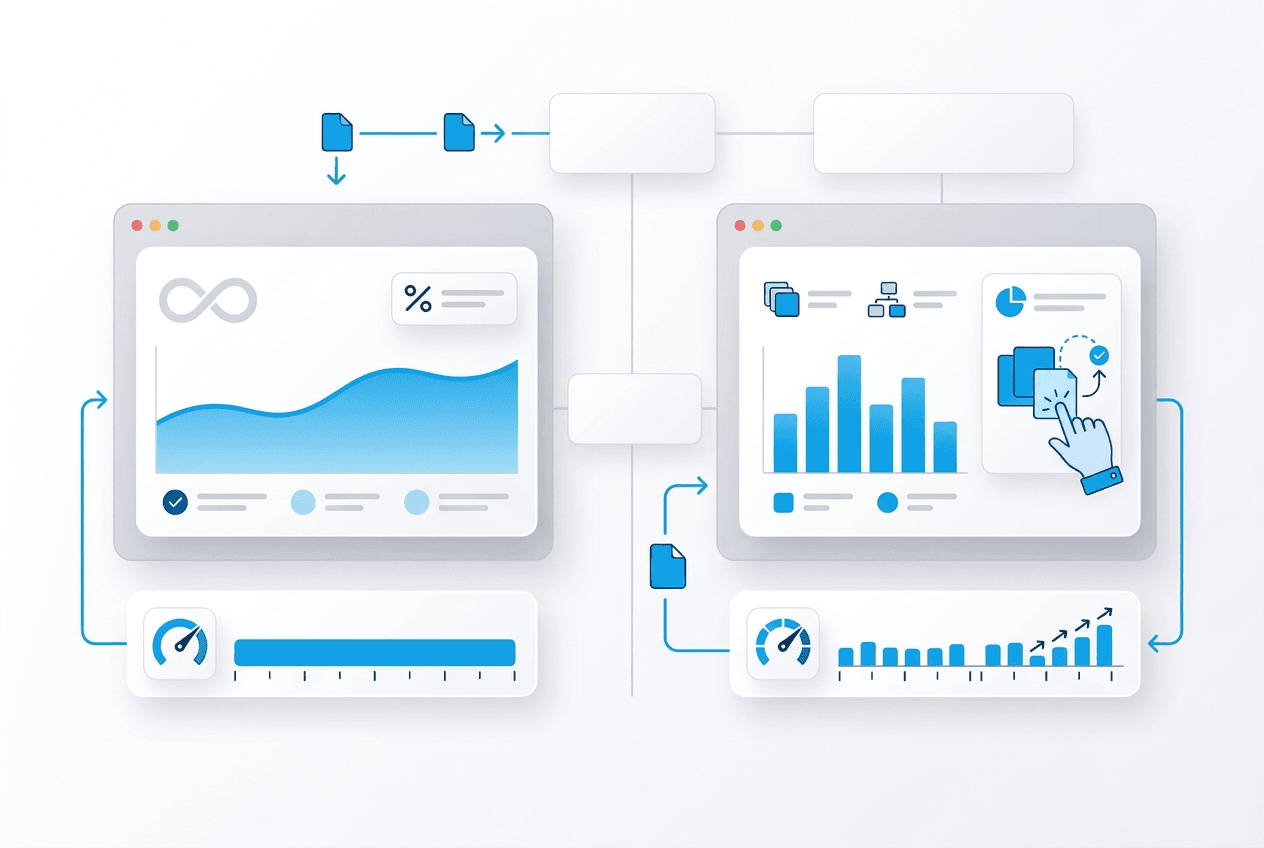
Proxy buyers often ask whether they need static IPs or rotating ones. The more useful question is what the target expects from a real user. Some sites reward consistency. Others punish repeated requests from the same identity.
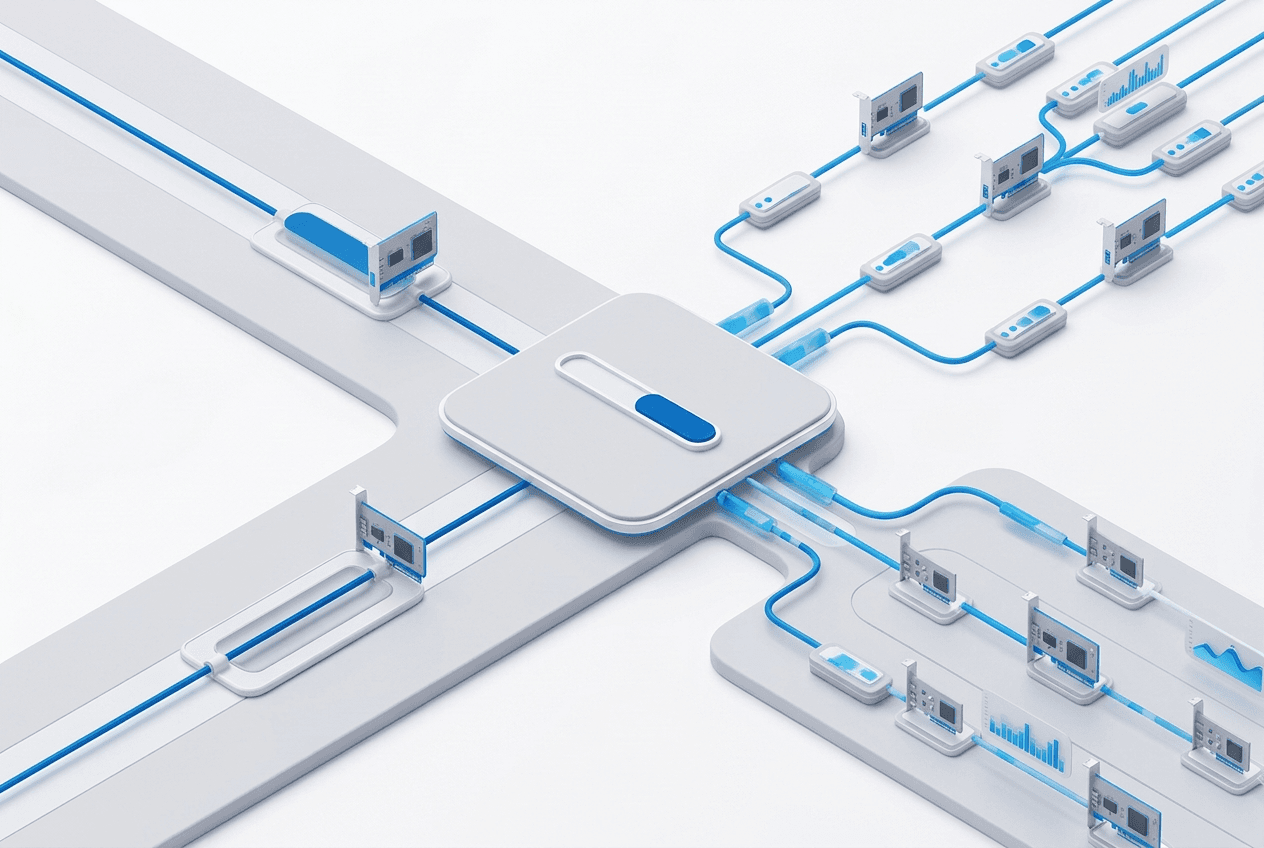
Static and rotating sessions are both valid. The difference is whether you need continuity for logins and cookies or distribution for scale and anti-bot resistance.
What static sessions are best for
- Social media and account management where repeated logins from the same location build trust over time.
- Checkout flows, carts, and logged-in dashboards where cookie continuity matters.
- Manual QA or browser automation jobs where you want a stable session for several minutes or hours.
That is why sticky sessions are highlighted in our guide to proxies for social media management. One IP per account is easier for both the platform and the operator to reason about.
What rotating sessions are best for
- Large crawling jobs where repeating thousands of requests from one IP would trigger rate limits.
- Market research and brand monitoring jobs that scan large catalogs or many search result pages.
- Ad verification and scraping workflows where request diversity improves success rate.
Rotating residential IPs distribute traffic across a broader pool, which reduces pattern detection and lets each target see fewer requests per identity.
How to choose quickly
| If your workflow needs | Choose | Reason |
|---|---|---|
| Consistent logins | Static | Stable location and session history |
| Large crawl scale | Rotating | Lower rate-limit pressure |
| Browser automation on protected pages | Static first, then rotate if blocked | Keeps cookies stable while preserving fallback options |
| SERP snapshots from many locations | Rotating | Distributes location-sensitive checks |
The mistake teams make
The common error is forcing one session model onto every workflow. Teams try to use rotating IPs for social accounts and then wonder why session trust breaks down. Or they force a single sticky IP onto a large-scale crawler and then spend days dealing with blocks.
Match the session model to the behavior of the task, not to a personal preference for static or rotating infrastructure.
A practical default
Use sticky sessions for logins, account management, and workflows that depend on stable cookies. Use rotation for high-volume crawling, competitive monitoring, and distributed SERP collection. If you are still comparing proxy classes, pair this guide with our residential vs. datacenter proxy comparison.