Sticky vs rotating proxies: which should you use?
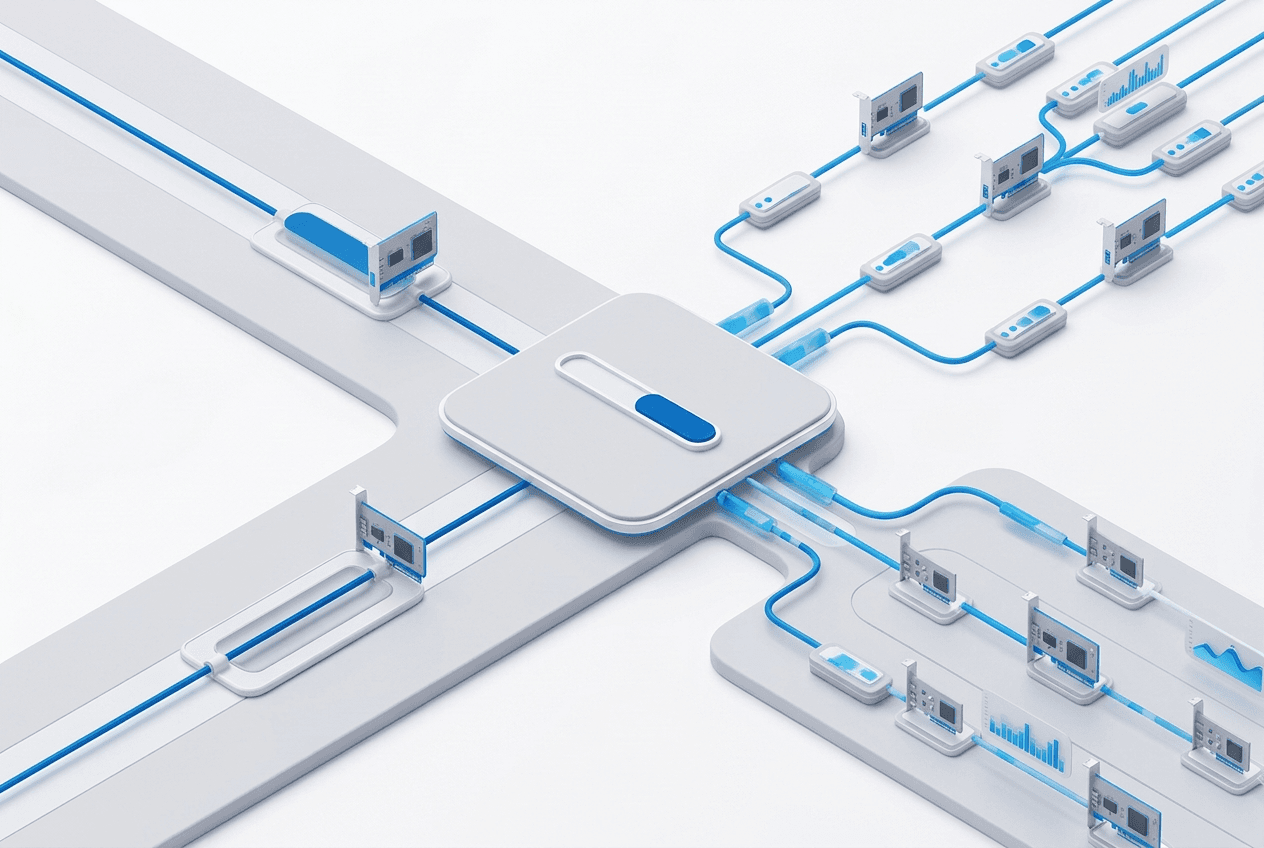
Sticky proxies maintain the same IP address across multiple requests within a session — ideal for account management and multi-step workflows. Rotating proxies assign a new IP per request — best for web scraping and large-scale data collection. TrueProxies supports both on all plans.
What are sticky proxies?
A sticky proxy assigns a single IP address to your session for a set duration — anywhere from a few minutes to several hours. Every request during that session goes through the same IP. When the session expires, a new IP is assigned.
Sticky proxies are essential for tasks that require session continuity. When you log into a website, fill out a form, navigate a checkout flow, or manage a social media account, the site expects consistent IP behavior. Changing IPs mid-session can trigger security alerts, force re-authentication, or flag your account.
With TrueProxies, sticky sessions are available on both Unlimited Bandwidth and Pay-Per-GB plans. You control session duration through the session ID in your proxy credentials — same session ID keeps the same IP.
What are rotating proxies?
A rotating proxy assigns a new IP address from the pool on every request — or at a set interval. Each connection appears to come from a different user in a different location, making it extremely difficult for target sites to detect patterns or block your activity.
Rotating proxies are the standard for web scraping and large-scale data collection. When you're making thousands of requests to the same website, sending them all from one IP triggers rate limits and bans. Distributing those requests across millions of rotating IPs keeps each IP's request rate below detection thresholds.
TrueProxies rotates IPs automatically when no session ID is specified. Every new request gets a fresh residential IP from the 50M+ pool.
Sticky vs rotating proxies — key differences
| Feature | Sticky proxies | Rotating proxies |
|---|---|---|
| IP behavior | Same IP for session duration | New IP per request |
| Best for | Account management, checkouts, forms | Scraping, crawling, data collection |
| Detection risk | Higher per-IP (repeated requests) | Lower (distributed across pool) |
| Session continuity | Maintains login state | Resets on each request |
| Speed | Slightly faster (no IP selection overhead) | Slightly slower (IP rotation per request) |
| Anti-bot bypass | Moderate | Strong |
When to use sticky proxies
Social media account management. Platforms like Instagram, Facebook, and TikTok track login IPs. Each account needs a consistent residential IP to avoid being flagged for suspicious location changes. Use sticky sessions with a unique session ID per account.
Multi-step checkout and form filling. E-commerce checkouts, registration flows, and multi-page forms require the same IP across all steps. An IP change mid-checkout causes the session to break or triggers fraud detection.
Sneaker copping. Sneaker bots need to maintain a session through queue, product selection, and checkout. Rotating IPs during this flow drops you out of the queue. Sticky residential IPs keep the session alive while appearing as a legitimate buyer.
Long-running browser sessions. When using antidetect browsers like GoLogin, AdsPower, or Multilogin, each browser profile should have its own sticky residential IP for the entire session duration.
When to use rotating proxies
Web scraping at scale. Scraping thousands or millions of pages from the same domain requires IP diversity. Rotating proxies distribute requests across 50M+ IPs so no single address gets flagged.
SERP monitoring and SEO tracking. Checking search rankings across hundreds of keywords from different locations benefits from fresh IPs per request — search engines are especially aggressive about blocking repeated queries from the same IP.
Price comparison and monitoring. E-commerce sites personalize prices and availability based on visitor behavior. Rotating IPs ensure each price check returns unbiased, non-personalized data.
Ad verification. Checking ad placements across multiple markets and publishers benefits from a different IP per check — preventing publishers from detecting verification patterns.
Can you use both at the same time?
Yes. Most scraping and automation workflows combine both types. For example, a social media management operation might use sticky sessions for each account login while using rotating proxies for scraping competitor profiles and hashtag data.
With TrueProxies, switching between sticky and rotating is controlled entirely through your proxy credentials — no separate products to purchase. Specify a session ID for sticky behavior, omit it for automatic rotation. Both modes are available on Unlimited Bandwidth and Pay-Per-GB plans.
Frequently asked questions
What's the difference between sticky and static proxies?
Sticky proxies maintain one IP for a session duration (minutes to hours), then rotate. Static proxies keep the same IP for weeks or months. Sticky proxies are a feature of residential proxy services, while static proxies are typically datacenter or ISP proxies.
How long do sticky sessions last?
Session duration varies by provider. TrueProxies supports sticky sessions for as long as the upstream IP remains available — typically up to 60 minutes. After expiration, a new IP is assigned automatically.
Are rotating proxies better for scraping?
For most scraping tasks, yes. Rotating proxies distribute requests across many IPs, reducing detection risk. Use sticky proxies only when your scraper needs to maintain login state or navigate multi-page flows.
Does TrueProxies support both sticky and rotating?
Yes. All TrueProxies residential plans support both modes. Include a session ID in your proxy credentials for sticky sessions, or omit it for automatic per-request rotation. No separate purchase required. Try both free.