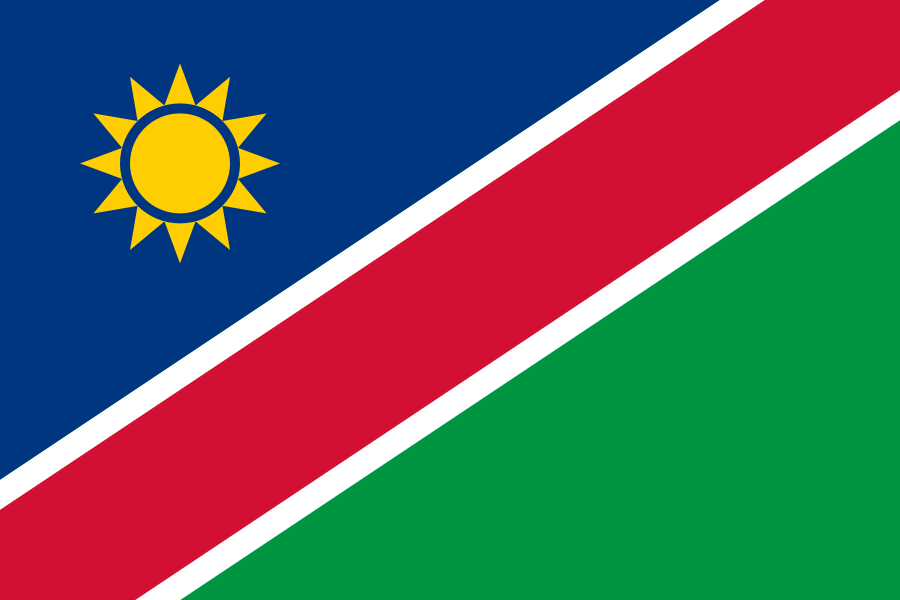
Namibia shops in two currencies: the Namibian dollar (NAD) is pegged one to one to the South African rand, and the rand is legal tender alongside it, so prices and payment pages can use either. English is the only official language and the language of nearly all storefronts, but Afrikaans, German and Oshiwambo each have their own audiences, and Windhoek still supports a German-language daily. Takealot, South Africa's largest online store, delivers only inside South Africa, so Namibians buy instead from local branches of South African chains and from Namibian sellers.
Local media is split by language. The Namibian, New Era and Namibian Sun publish in English, Republikein in Afrikaans and the Allgemeine Zeitung in German, and each carries its own local advertising. MyProperty lists homes for sale and rent in Namibian dollars across Khomas, Erongo and Oshana. FNB eWallet lets people send money to a phone number without the recipient needing a bank account. Tourism is a large part of what Namibia sells online: lodge groups such as Gondwana Collection, which runs about 50 lodges and camps, sell stays directly online.
Google is the search engine people use, and Afrikaans or German queries return a different set of Namibian and South African pages from English ones. Namibia has no general data-protection law in force yet.
Self-drive tourism shapes Namibian travel prices. Many visitors hire a 4x4, often fitted with rooftop tents, and drive between Etosha, Sossusvlei, Swakopmund and the Fish River Canyon, so car-hire rates and lodge availability are the prices worth comparing. Namibia Wildlife Resorts, the state-owned company, runs lodges and camps inside the national parks, including Halali and Onkoshi in Etosha, Dolomite Resort in the park's west and Sossus Dune Lodge near the dunes, while private lodges sit just outside the park gates. Rates are quoted in Namibian dollars, and the dry winter months are high season, when availability tightens and prices rise.